US
US Australia


Is Cardboard Microwave Safe? Expert Tips for Reheating Food Safely
One of the frequent inquiries is, “Can cardboard be used in the microwave?” This is because food is usually packed in cardboard boxes. Although the microwave makes life easier, there are considerations of food safety.

Emily Parker
Take-out food is generally in cardboard boxes, and individuals do not wish to soil more plates. They would put the food box in the microwave instead of transferring food to a plate. The food delivery business is booming in the UK. A higher number of meals are delivered in cardboard boxes. In the fast-paced world that we inhabit, takeaway packaging is a must.
This raises the question in people's minds about whether or not they should heat such boxes or not. There are several types of packaging, and you need to be aware of which are safe. When it comes to the microwave, cardboard may appear easy and simple, but it's not. In this blog we are going to explore this question with all details and facts.
Understanding Food Safety Risks before Reheating
It is important to know about the risks of food safety before reheating. It's important to know the risks of food safety before reheating. Food items could burn or leak chemicals if they are ill-packaged. Some of the coatings or inks are able to melt in food.
Is it safe to microwave cardboard?
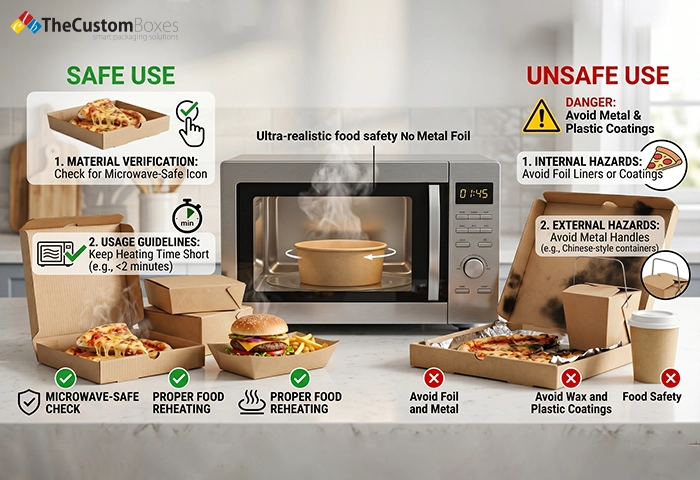
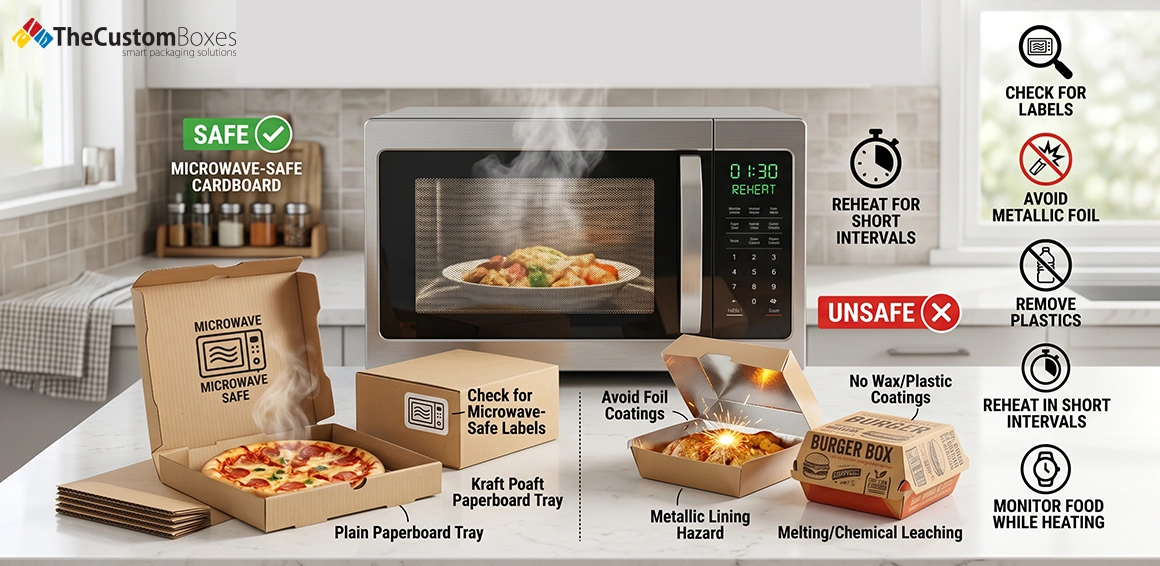
Cardboard is generally safe to heat for short periods of time in plain cardboard. However, there are various kinds of cardboard. Some can be harmful and may release fumes or be flammable.
Depending on the process used to manufacture the cardboard, the safety will vary. Before using, check for microwave-safe labels.


What Makes Some Cardboard Microwave-Safe?
Not all cardboard is microwave-safe. Some cardboard can't melt in a microwave, but some does melt in a microwave. Microwave‑safe cardboard is made with food‑grade materials. It is free of wax, plastic, and metal. These boxes are short-term heat-resistant. They are used to safely reheat food. Using certified packaging minimises risks.
When Microwaving Cardboard Becomes Risky
Risks can be present if there is foil, ink, or coatings on the cardboard. They could melt or catch fire in the microwave. There is also a possibility for greasy boxes to catch fire. Long heating times pose the risk. Don't rely on unsafe packaging to preserve the safety of your food.
What Types of Cardboard Are Commonly Used for Food Packaging?
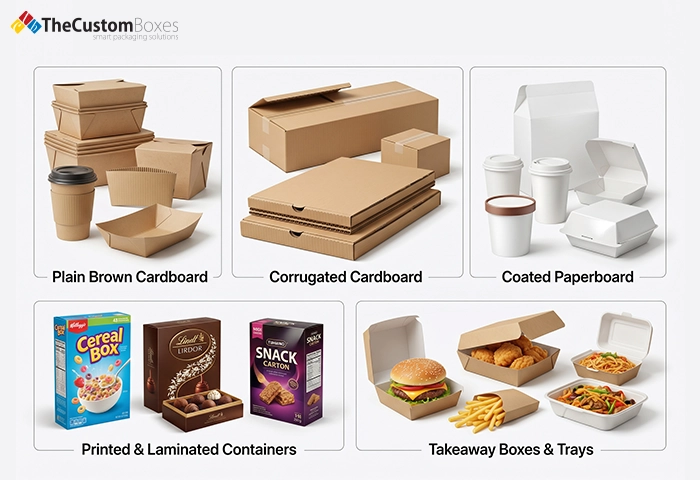
Cardboard is used in food packaging in 5 different forms.
- Plain Brown Cardboard
Simple brown cardboard is safer. No coatings or inks are used. Commonly used for bakery boxes. In general, it is safe to cook for short periods of time.
- Corrugated Cardboard
Hardened and used to make pizza boxes. It has layers that have the insulating property of heat. Long heating can burn; short heating is safe. Always check for safety labels.
- Coated Food Packaging Cardboard
Cardboard is not safe if it is waxed or plastic-coated. May seep in food and melt in May. This can have an impact on taste and can be detrimental to health. Avoid the heating of any covered boxes.
- Printed and Laminated Cardboard Containers
Printing inks may leak into food when heated. There are also possibilities for melting laminated layers. These boxes are NOT meant for microwaves. Always use safe containers to transfer food.
- Cardboard Takeaway Boxes and Food Trays
Certain quick-service food containers are microwave-safe. There might be coatings or prints on others. Read the package carefully before using. The labels for safety are crucial.
How Microwaves Interact With Cardboard Packaging
- Cardboard Typically Does Not Catch Fire
Cardboard is non-metallic and hence non-sparking. More secure than foil. However, coatings can still result in issues. Make sure to check before cooking.
- Moisture And Heat Uptake Are Important In The Process
Water and heat are crucial components in this process.
- Cardboard Will Be Hygroscopic And Heat-Absorbing
This may cause the box to become weakened. When the cardboard is moist, it may bend or break. May also cause food to become messy.
This extended heating has the following effects on the packaging material. If heated for prolonged periods of time, cardboard may be able to be burned. Can also release odours or fumes.
When Is It Safe to Heat Cardboard in the Microwave?
-
Cardboard Containers For Microwave Use
Always look for a clear microwave-safe label or symbol before heating food. It demonstrates wavy lines. In this case, the box is subjected to safety tests.
- Short Reheating Times
Cook food for short periods of time. The box can burn if it is heated for extended periods of time. Reheat again for 2 minutes or less.
- Opt For A Container That Doesn't Contain Any Metallic Elements
Do not use boxes that have foil or metal handles. Sparks in the microwaves of metals. It can cause a fire.
- Uncoated And Food-Grade Cardboard Packaging
Use uncoated cardboard that is suitable for food packaging. These are not as damaging upon reheating. They help to maintain food quality.
When Should You Avoid Microwaving Cardboard?
-
Cardboard With Metallic Elements
Sparks and fire are caused by metal.
-
Plastic-Laminated Cardboard Containers
Plastic may melt and give off chemicals. Don't heat laminated boxes.
-
Damaged or Greasy Packaging
Grease may catch fire. If damaged, there is a risk of the burned boxes catching fire more rapidly.
-
Packaging without Microwave-Safe Labels
If there is no label, NEVER microwave. Safety labels matter.
Common Food Packaging That May Contain Cardboard
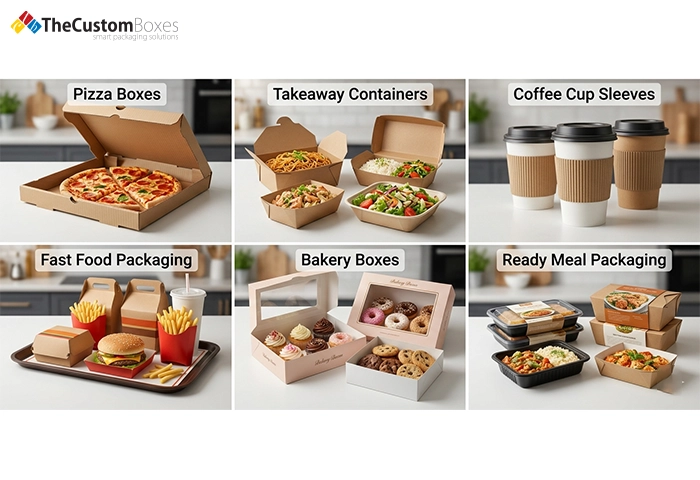
The most common food packaging is cardboard.
- Pizza Boxes
Corrugated boxes are commonly used in the packaging of pizzas. Some can be taken to the microwave. Please check before use.
- Takeaway Containers
Check labels before adding food to the oven for directions on how to heat the food. Some are ok, some aren't.
- Coffee Cup Sleeves
Sleeves are acceptable; cups may not be. Never heat with coated cups.
- Fast Food Packaging
Boxes of some fast food items are coated. Avoid heating them.
- Bakery Boxes
Ink prints can be found on bakery boxes. Leaks can occur when it is heated.
- Ready Meal Packaging
Lamination is allowed for ready meal packs. These are not safe.
Is Pizza Box Microwaveable?
Pizza boxes can possibly be used for short heating. But they will burn when they are heated for an extended period of time. Always check for microwave‑safe labels. Safety comes first.
How to Identify Microwave-Safe Packaging
-
Microwave-Safe Symbols Explained
Check for the "microwave safe" symbol. It has wavy lines. Manufacturer instructions & labels are included. Read the label on the box. It advises on safe heating.
- UK Food Packaging Safety Standards
There are legal requirements in the UK for safe packaging for food. Boxes that are certified will have improved protection.
- Food-Grade Packaging Certifications
Safety-tested, certified packaging. It is beneficial in maintaining the quality of the food.
Expert Tips for Reheating Food Safely
The experts have some advice on the safe ways to reheat cooked foods.
- Use of glass or plastic containers is preferable to disposable containers. They last longer.
- If in doubt, place food in a microwavable dish.
- Keep heating short.
- Do not leave cardboard in the microwave until.
- Please read the labels before using.
Common Myths About Microwaving Cardboard
The most common misconceptions about microwave warming of cardboard are the following:
- Some think that all cardboard is fine. This is false.
- The uncoated cardboard can be safely used for food packaging. Before using it for heating, always check.
Stats & References
A cardboard box is the most common packaging for takeaway food (Food Packaging Europe, 2024). The test results show that the temperature of cardboard can be as high as 163°C within 5 minutes, which is extremely dangerous and may cause a fire.
A study reveals that cardboard has a lower thermal conductivity than plastics, which can result in uneven heating (Journal of Materials Science, 2022).
Wrapping Up!
Cardboard can be used in the microwave in certain cases. It is only safe if it is labelled microwave-safe and is heated for a short period of time. Never take the cover of a box for granted, or go for coated or printed boxes. Say farewell to the concerns of safe packaging and hello to The Custom Boxes.
One should buy boxes from our company to enhance the brand and to make sure that the food is safe to eat. Discover whether or not cardboard is microwave-friendly. Advice from The Custom Boxes UK experts on keeping items safe, reheating them, and using takeaway packs.
Frequently Asked Questions:
Is it safe to microwave cardboard food containers?
Yes, as long as they are labelled "microwave safe," plain cardboard containers can typically be heated in the microwave.
Can cardboard catch fire in a microwave?
Yes, cardboard can catch fire if it is subjected to high temperatures for extended periods of time or is empty.
Does cardboard release chemicals when heated?
Avoid using any cardboard that has chemicals that could be released by the microwave; treated or coated cardboard may contain chemicals.
How long can cardboard stay in a microwave safely?
Do not leave cardboard in the microwave for more than a few minutes, as it can only be used to heat food.
Are takeaway cardboard boxes microwave-safe?
Many are, although always be sure to look for the "microwave safe" directions on the packaging first.
Can you microwave pizza boxes in the UK?
Not recommended due to the possibility of inks, adhesives or grease burning in pizza boxes.
Is it safe to microwave cardboard food containers?
Unless the manufacturer says they are microwave-safe, some inks may not be heat-resistant.
Can wax-coated cardboard be microwaved?
No, wax-coated cardboard is not always microwaveable.
What packaging materials should never go in a microwave?
Metal, aluminium foil, plastic which is not marked “microwave safe”, and polystyrene should never be placed in the microwave.
Can you reheat food in cardboard boxes?
Yes, when the box is just plain, clean, and specifically made for microwave heating.
What UK food safety guidelines apply to microwave packaging?
Food packaging must meet the requirements for food contact materials in the UK and the manufacturer's guidelines for safe use.
Most popular post


Premier American Manufacturer of Packaging and Custom Boxes
Experience the ease of creating and ordering custom boxes and affordable packaging online with the Custom Boxes. Contact us today to discover how we can turn your packaging vision into a reality.

Payment & Security
 No Hidden Charges
 Money Back Guarantee
thecustomboxes.co.uk online guarantee the privacy of all the customers and never share their personal information with third parties. For more details read our Privacy Policy.