US
 Australia


How to Make Custom Cardboard Boxes
Learn how to make custom cardboard boxes by choosing the right materials, measuring dimensions, cutting and assembling the structure, and adding professional printing and finishes. Explore practical tips for creating packaging that fits your products and meets your branding needs.

Emily Parker
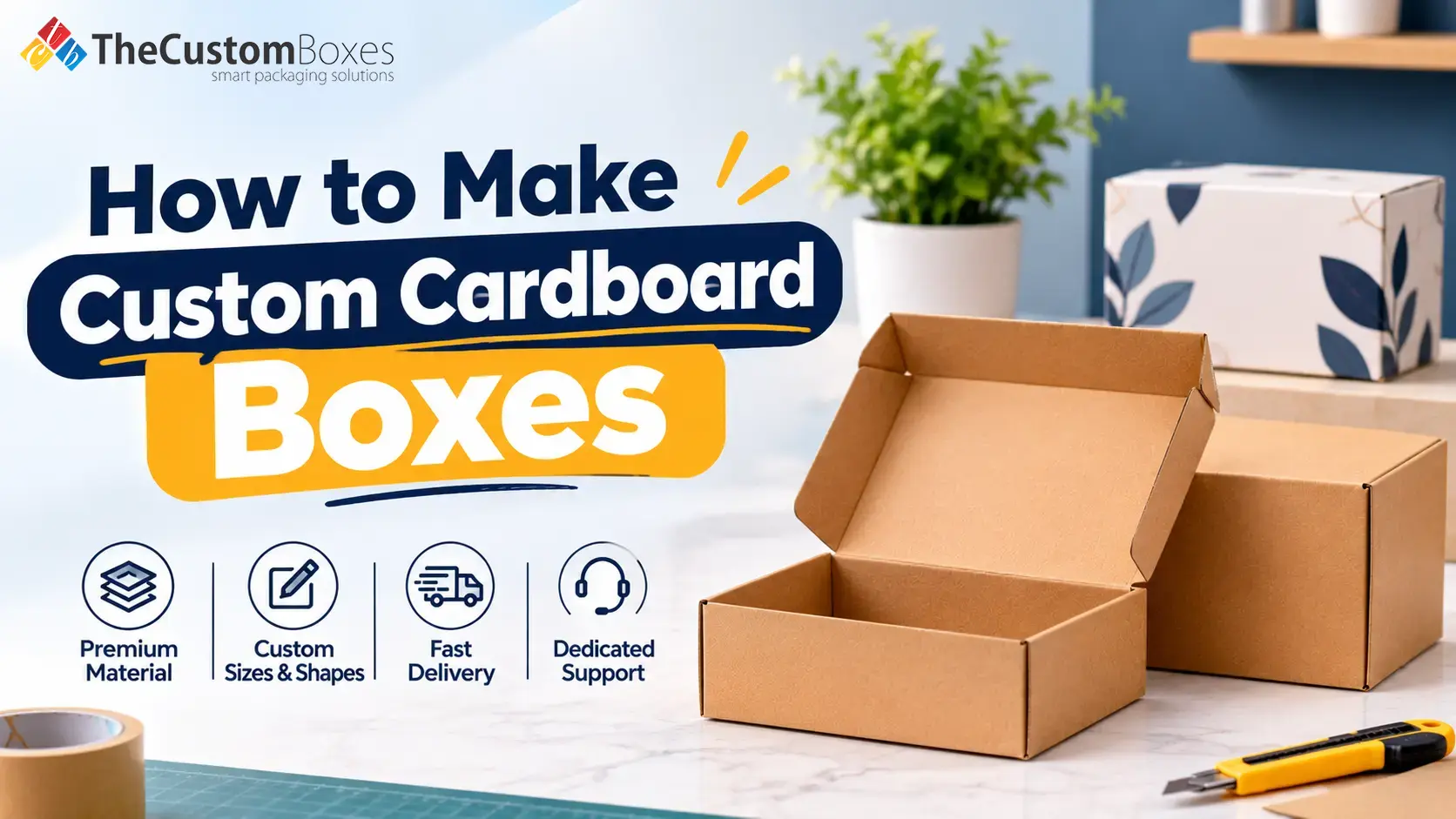
When it's finished, a cardboard box can be a very simple object. Making one that fits perfectly takes care. How to make custom cardboard boxes depends on the product, its use, and protection needs.
A custom cardboard box is made for a specific product or purpose. It follows the item's size instead of forcing it into a standard box. A home project may need basic tools. Shipping and retail boxes usually need precise production and stronger structures.
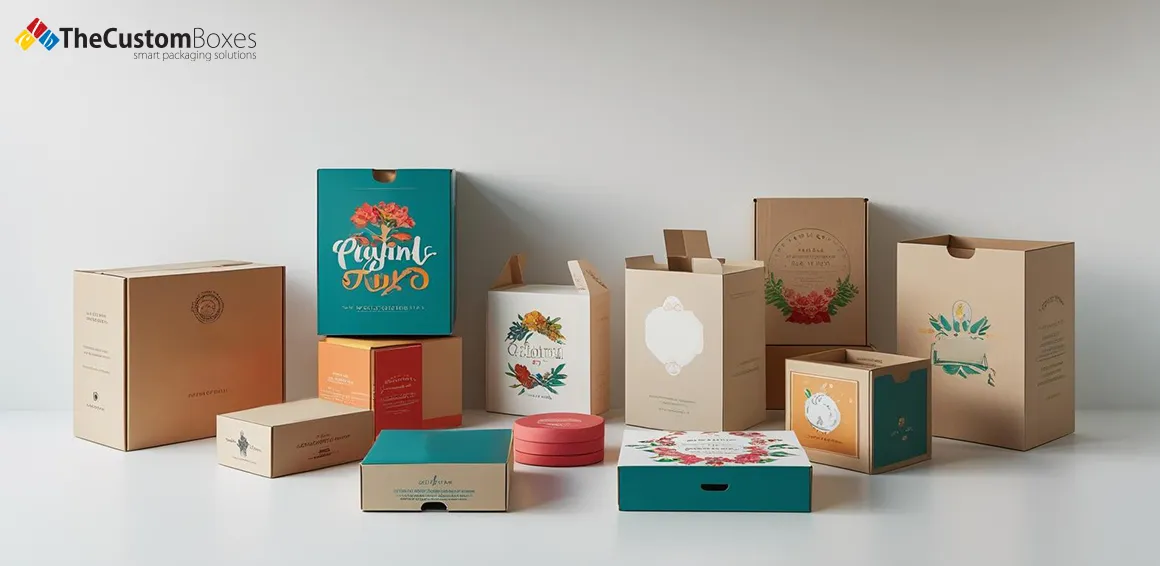
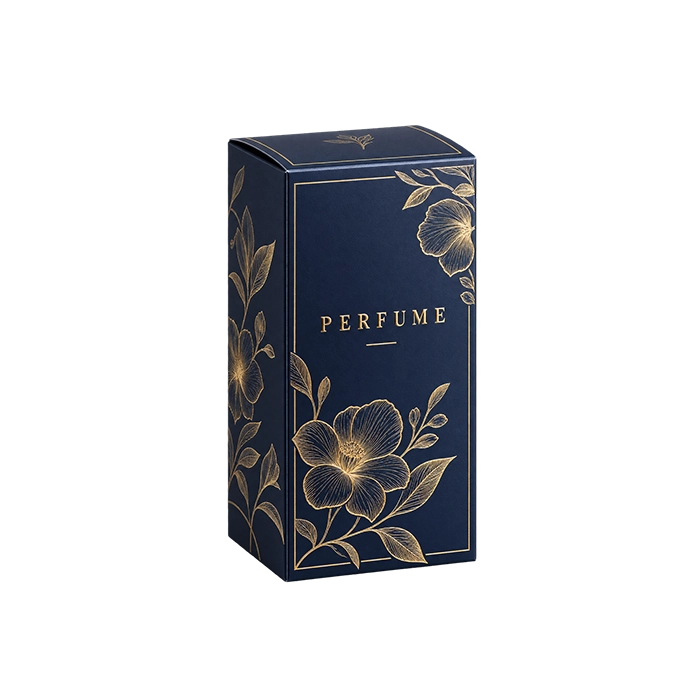
The Custom Boxes produce custom sizes and shapes. Options include Kraft, Cardstock, Bux board, and E-flute corrugated board. Published specifications also cover printing, coatings, structural work, and finishing. Together, we learn how we can craft stunning and functional custom cardboard boxes in this comprehensive article.
Start With the Product, Not the Cardboard
When choosing a cutter, determine what you want the box to do. Will it be on a shelf, in delivery or in storage? Is a high-quality unboxing experience required for the product?
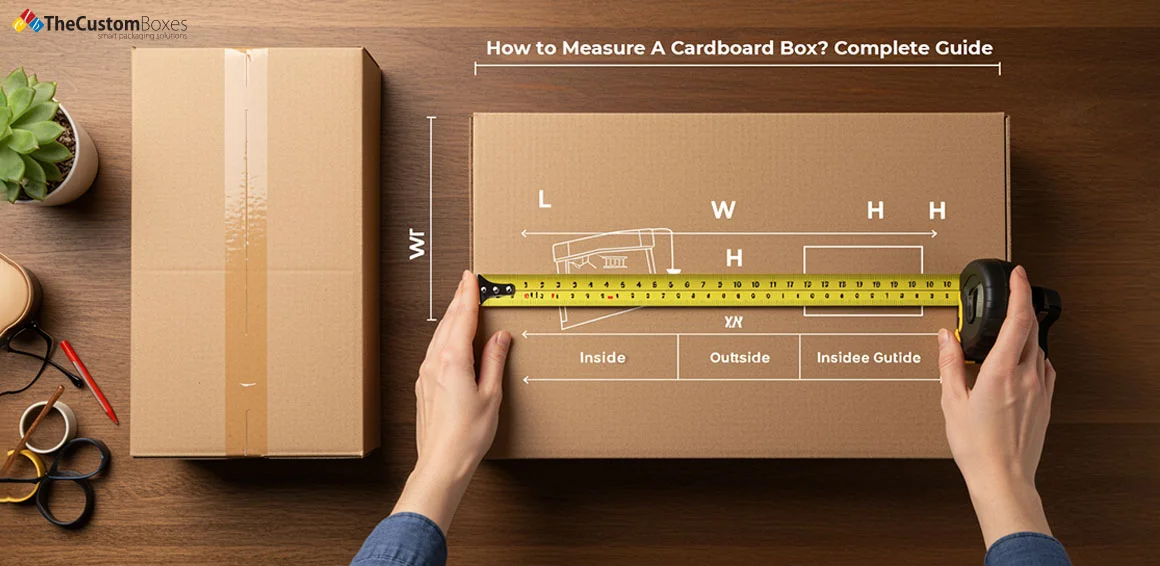
First, measure the product at the longest, widest, and highest point. Leave space for tissue, inserts, padding, or other protection. Pressure is generated in a tight box. Excessive space allows content to flow.
When storing in a storage box, measure the storage space, shelf, or drawer first. If you need to slide the box in and out, leave 1-2 cm clearance.
Choose The Sheet That Fits the Job
Different products need different types of cardboard.
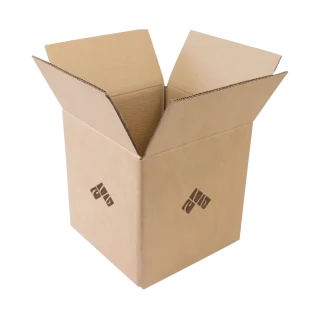
Light retail items often work with cardstock or lighter paperboard. Heavier products need more rigidity. Shipping boxes also face drops, pressure, and repeated handling, so corrugated board is often a better choice.
Common choices include
- Kraft board: A practical choice for a natural paper look.
- Cardstock: Useful for lightweight retail cartons.
- Bux board: Adds structure for sturdier packaging.
- Corrugated board: Designed for greater protection and handling.
- Chipboard: Useful where rigidity matters.
The Custom Boxes lists paper stocks from 10 pt to 28 pt, or 60 lb to 400 lb, along with eco-friendly Kraft, Bux board, cardstock, and E-flute corrugated options.
The thickest board is not always best. Match the stock to product weight and handling.
Your Measurements Become the Box
A flat sheet becomes a box through a planned layout. Start with the base panel. Add the side panels around it. Then include the flaps needed for closing and joining. Fold all the lines before cutting.
For a basic and homemade box, you will need some dense cardboard, a pencil, a steel ruler, a cutting mat, a box cutter, a scoring tool and paper tape. A digital packaging template helps when several panels must meet accurately.
Accuracy matters. Measure twice before cutting. A small mistake can affect the folds, lid, and final shape.
Cut Cleanly, Then Score the Folds
Draw the cardboard on a firm cutting surface. Squeeze the ruler against the cutting line. Use controlled passes instead of forcing the blade through a thick board at once.
After cutting, score each fold line. Scoring creates a clean crease and provides the board a clear folding path. It also reduces the chance of crushing the surface.
This step matters even more in commercial production. Our company uses die cutting, scoring, glueing, and perforation. These methods create cleaner folds and consistent dimensions.

Fold It Into Shape
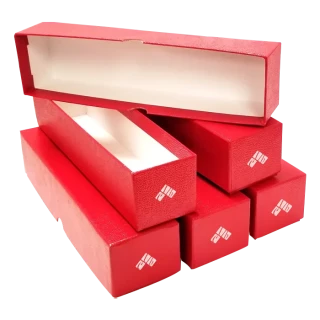
Once the sheet is cut and scored, bring the panels together. Fold each wall along its crease. Apply glue to the joining flaps. Press the sections together and give the adhesive enough time to set.
For a handmade storage box, paper tape inside the corners adds support. Keep joints neat and avoid excess glue, which may show through thin covering materials.
Commercial production uses controlled machinery when brands need large runs with consistent shapes and dimensions.
The Inside Matters Too
The outside may attract attention, but the inside affects how the product sits. An insert holds an item in place. A divider separates products. A window lets shoppers see the contents without opening the package. These features also change the internal space.
We offer options such as custom window cut-outs, PVC sheets, and other packaging add-ons.
Measure the interior after allowing for inserts and protective materials. This prevents a box that looks right outside but feels cramped inside.
Give the Flat Box a Finished Look
Once the structure works, think about the surface. A storage box may need fabric, paint, Kraft paper, or contact paper. Product packaging offers more branding options.
Custom Boxes is a CMYK and PMS printer and can be gloss, matte and spot UV. Foil, embossing, debossing, and raised ink are other finishes available.
A matte surface is soft, a gloss surface is shiny, spot UV brightens specific areas, foiling gives a metallic surface, and embossing raises the surface. Select finishes according to the product and the brand instead of adding all the finishes available.
Custom Printed Cardboard Box Is Also a Brand Surface
Packaging also gives your brand space to communicate. Logos, colours, product details, artwork, and finishes work together on the outer panels. Keep the design readable on shelves, in hand, and in product photos.
For professional production, The Custom Boxes supports both CMYK and PMS printing. This gives brands flexibility for full-colour artwork and more controlled brand colours.
Keep important text away from folds and closure points. Follow the dieline so logos and key information avoid unwanted creases.
Build With Materials That Meet Your Packaging Goals
Material selection also affects your environmental approach. We offer eco-friendly Kraft and other paper-based packaging materials. Its published packaging information also highlights soy vegetable-based and water-based inks.
For certified sourcing, FSC-certified paper and board are an option to discuss. FSC certification relates to responsible forestry sourcing.
Sustainability claims should match the actual material and production specification. Brown cardboard alone does not prove environmental benefits.
How The Custom Boxes Turns a Design Into Production
A commercial box starts before production.
The team needs dimensions, box style, material, artwork, printing needs, and finishing choices. These details form the production specification.
Custom Box Specifications at a Glance
- Board thickness: 10 pt to 28 pt
- Board weight: 60 lb to 400 lb
- Corrugated option: E-flute
- Printing: CMYK, PMS or no printing.
- Finishes: matte, gloss, and spot UV.
- Finishes: foiling, embossing, debossing, and raised ink.
- Structural options: die cutting, scoring, glueing, and perforation.
- Customisation: Custom sizes, shapes, windows, and inserts.
- Printing includes proofing with flat artwork, plus 3D mock-ups and physical samples on request.
- Order quantities: 100 to 500,000 units.
These are the details that the company has published. Options depend on the box style and project.
A physical sample helps check fit, strength, artwork, folds, and finish.
What Does a Custom Cardboard Box Cost?
In the UK, a custom cardboard box typically starts at around £2–£3 per box for smaller orders of 100–250 units. With larger orders, the unit price may fall below £1, depending on the size, board, printing, and finish. Current UK packaging estimates show prices from around £2.09 to £2.60 per box at 100–249 units and around £0.58 to £0.73 at 5,000+ units.
The final price varies according to the size of the box, material, quantity, printing, finishes, inserts, windows, and structure.
To get a quote, please specify the box dimension, number of boxes, material, artwork and finish.
The Strength Test: Five Things to Check
Before using the finished box, inspect it.
- Fit: Does the product sit securely?
- Folds: Do the scored lines bend cleanly?
- Joints: Do the glued areas stay together?
- Closure: Does the lid or flap remain in place?
- Handling: Does the box stay rigid when lifted, stacked, or moved?
For shipping, test the packed box. Product weight changes how the structure performs.
From a Sheet of Board to Packaging That Works
A reliable box starts with the right measurements, material, thickness, and structure. DIY boxes suit simple projects. Professional production offers greater control over sizing, branding, and consistency.
The Custom Boxes UK provides custom materials, printing, structural production, proofing, and finishing. For how to make custom cardboard boxes, start with the product and build around its needs.
Frequently Asked Questions
What materials do they use to manufacture cardboard boxes?
Kraft, card, Bux board, chipboard and corrugated board are used by the manufacturers. Each material suits a different job. Light items need less protection. Fragile or heavy products need sturdier stock.
How do I measure a custom cardboard box?
Start with the product itself. Measure its length, width and height. Allow for some extra space for inserts, padding or other protective packaging to ensure it will fit without crushing.
How thick is cardboard packaging?
The thickness of the product will be determined by the weight of the product, box style and shipping handling. From 10 pt up to 28 pt, the Custom Boxes has got a board that will fit for virtually any project.
Is FSC material available?
Yes, for projects where certified sourcing is required, there are FSC paper and board choices.
What is the price of an order of custom boxes of cardboard?
The price is dependent upon the box size, material, order size, printing, finishes, inserts and structural design. These each move the last number.
Most popular post
Premier American Manufacturer of Packaging and Custom Boxes
Experience the ease of creating and ordering custom boxes and affordable packaging online with the Custom Boxes. Contact us today to discover how we can turn your packaging vision into a reality.

Payment & Security
 No Hidden Charges
 Money Back Guarantee
thecustomboxes.co.uk online guarantee the privacy of all the customers and never share their personal information with third parties. For more details read our Privacy Policy.


you might also like