US
US Australia


What Is Packaging? Types, Design & Trends
Protect your products with style. This guide covers packaging types, smart design, and the latest UK trends. From primary layers to eco-friendly boxes, learn how to keep goods safe and attract customers. Discover the future of sustainable, clever packaging today.

Emily Parker
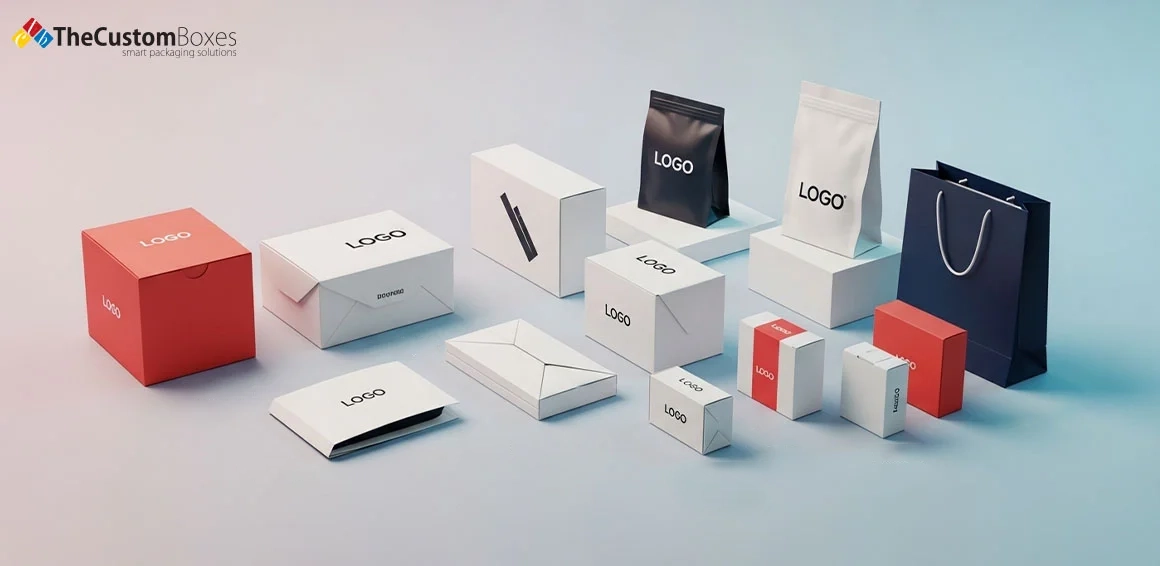
Are you curious about why packaging matters so much today? Our packaging is more than a box or a bag. It protects products or keeps them safe and fresh. It also helps people choose what to buy. Trends are changing fast as eco-friendly packaging is growing. We give simple designs that are popular. Also, smart packaging is rising, too. Good packaging builds trust, it adds value.
The Custom Boxes designs a variety of services packaging for types, designs, and trends. Our good packaging design looks clean and clear. They offer uses of colour, shape, and text well. In this amazing article, we are going to discuss what packaging is. We give top information on different types, designs, and unique trends for 2026.




Role Of Custom Packaging In UK
Our packaging plays a very important role in the UK. It saves items from damage during storage. Great packaging keeps food, medicines, and items secure. We give clear labels about ingredients or expiry dates. This helps users make informed choices.
Our packaging supports marketing and brand recognition. Packaging reduces waste or supports sustainability. It ensures safety, builds trust, and helps businesses grow day by day.
-
Retail
Retail is selling services directly to users. It happens in shops, markets, and online. Retailers buy from manufacturers or wholesalers and sell to users. Our best service and clear product information help every customer.
-
Ecommerce
E-commerce means buying or selling services online. Customers shop using websites or mobile apps available. Payments are made digitally. Items are delivered to your home or collected locally. E-commerce is famous in the UK because it is easy, fast, and convenient.
-
Logistics
Logistics is the planning and movement of goods. It adds storage, transport, and delivery. Logistics ensures items arrive at the right place on time. It supports shops, factories, and online sales. Also, good logistics saves your time or money.
What Is Packaging?
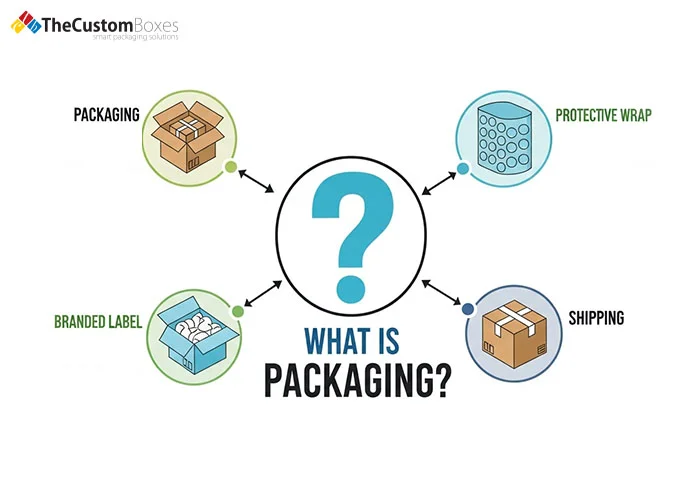
Packaging is how a thing is wrapped perfectly. Also gives the best information to buyers. It may show the brand, money, and use. Good packaging is stronger, cleaner, and comfortable to open. It also helps protect the environment better.
Packaging is what covers and protects items. It keeps items safe from damage. It helps during transport and storage. Packaging also gives information like the name and use. It makes products easier to carry. Good packaging looks nice and helps customers choose the product easily.
Core Purposes Of Packaging
The core purposes of packaging are protection and safety. It keeps products from breaking or spoiling. Packaging helps with storage and transport. It makes products easy to handle. It also shares information with buyers and helps sell the product in shops.
-
Protection
Protection means keeping product safe from harm. To stop damage and loss. Protection is important during travel. It keeps products in good condition. Good protection makes sure items reach customers safely and can be used without problems.
- Containment
Containment means holding items safely in one place. It stops the product from spilling or leaking. It makes products easy to handle and store. It keeps things clear and organised. Also, it protects both the items and the people using them.
-
Communication
Communication in packaging means sharing information about items. It shows the brand name, adds instructions and ingredients. Good communication helps users understand the product quickly. Also makes the product eye-catching and trustworthy. Our packaging speaks to buyers without words.
Difference Between Packaging And Packing
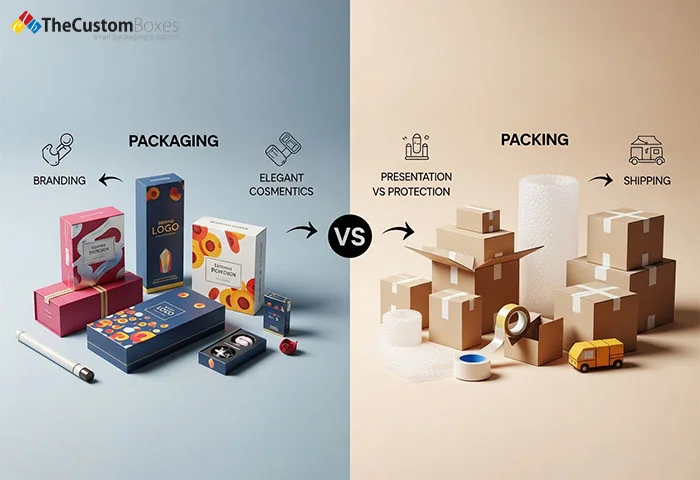
|
Packaging |
Packing |
|
Packaging is the design and materials used to save and present the items. |
Packing is the process of putting things into boxes. |
|
Packaging focuses on safety, info, or appeal. |
Packing focuses on storage and moving. |
So, both are important, but packaging also helps attract users and show item details.
Importance Of Packaging In The Product Lifecycle
Packaging plays the best role in a product’s lifecycle. It secures products from dust and spoilage during storage and transport. Our packaging makes handling easier for both sellers and customers. This attractive packaging helps items stand out on the shelf.
Also, Custom printed packaging encourages buyers to choose it. During the product’s life, good packaging ensures the product stays in good condition.
Main Types Of Packaging
.webp)
Here are a few kinds of packaging.
- Primary Packaging is what directly touches the items, such as the bottles, cans or wrappers.
- Secondary Packaging carries primary packs both, such as boxes or cartons.
- Tertiary packaging is used for moving one place to another, as pallets and shrink wrap.
- Flexible Packaging adds bags, pouches or sachets of different size.
- Rigid Packaging uses very hard materials as glass/metal or plastic.
- Earth-friendly Packaging is made from reusable materials greatly.
- Active Packaging keeps food fresh perfectly, as vacuum packs.
- Smart Packaging can show freshness and have QR codes perfectly. All type protects, store, and presents the items nicely.
Primary Packaging
Primary packaging is the first layer that touches the items. It protects and keeps it fresh. These include bottles, cans, jars, wrappers, and tubes. Also makes the product easy to use. Such as squeezable toothpaste tubes and resealable snack packs. It often shows the brand, ingredients, and instructions. The material may be plastic, glass, metal, or paper. Good primary packaging keeps the product safe from moisture. It is important for convenience and presentation.
Role Of This Packaging
Packaging keeps products safe from damage. It helps in storing, handling, and transporting goods. So, some packaging can extend shelf life and show freshness. Our packaging gives great safety, convenience, and presentation. It helps sell it to the customer.
Real Life Examples
- Food: Common packaging includes cans for soup and bottles for juice. Also, chocolate and pouches for yummy chips.
- Cosmetics: Creams and lotions come in jars or different tubes. Also, perfumes in glass bottles are made up in compact cases.
- Pharmaceuticals: Medicines are packed in different bottles and sachets. Labels show instructions or expiry dates. Packaging keeps medicine safe and easy to use.
Secondary Packaging
Secondary packaging is a layer that holds primary packages together. It is not in direct contact with items. Add cardboard boxes, cartons, and trays. It protects items from damage during shipping. It often shows brand logos, barcodes, or product information. It is widely used in supermarkets or warehouses. While it doesn’t touch the product directly. It helps in stacking and displaying products for users.
Purpose In Branding And Grouping Products
Secondary packaging helps in branding and grouping items. It shows the brand name, logo, or designs. It makes products easy to recognise. It may group several primary packages. As a pack of soft drinks and a set of skincare products. Grouping also makes storage, transport, and display easier. It protects the product while promoting the brand, improving convenience perfectly.
Common UK Retail Examples
Common UK retail examples of packaging include
- Cereal boxes
- Chocolate bars
- Soft drink bottles.
Every supermarket uses cardboard cartons to hold bottles. As snack packs, crisps come in foil wrappers. Cosmetics/ perfumes are in jars or bottles.
Tertiary Packaging
Tertiary packaging is used for transport or storage. It holds huge quantities of items together, such as pallets, crates, and big cardboard boxes. This packaging saves items from damage during shipping. It makes loading/ unloading and stacking easier. It is not seen by users but is important for businesses. It helps move items safely from factories to shops efficiently.
Role In Shipping, Warehousing, And Logistics
Tertiary packaging plays a good role in shipping, warehousing, and logistics. It makes stacking and storing items in warehouses. Pallets, crates, and shrink wrap keep things great and organised. Also helps in handling quantities and safely. It ensures products reach shops or supports smooth, efficient movement of goods.
Pallets, Cartons, And Bulk Packaging
Their packaging is a common kind of tertiary packaging.
- Pallets hold many boxes together for easy transport.
- Cartons pack many items in one box for protection.
- Bulk packaging stores huge quantities of things. As grains or beverages, for shipping.
They help warehouses and retailers handle goods efficiently.
Packaging Types By Material
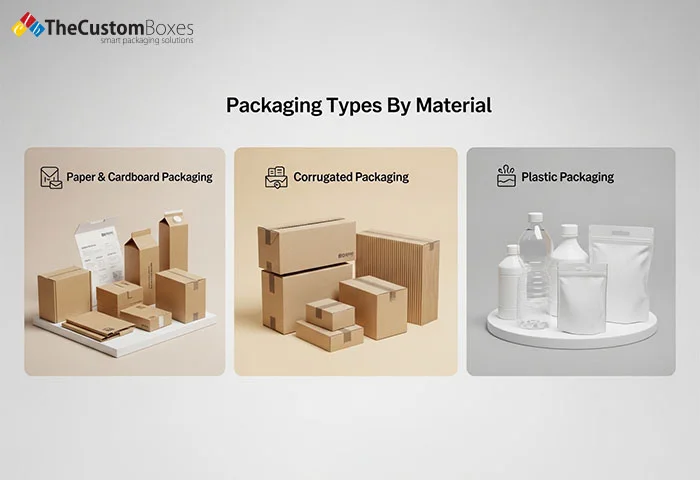
Our packaging is designed from different materials. Such plastic is lighter, more durable, and used for bottles and boxes. Paper and cardboard are for boxes and wraps. Glass is used for jars, bottles, and makeup. Metal is used for cans and tins, or eco materials, biodegradable plastics, and reusable paper. All material safe items that make it easy to store.
-
Paper & Cardboard Packaging
Paper and cardboard are packaging materials. They are light in weight, cheap, or easy to shape. Cardboard boxes hold items such as cereals, shoes, and electronics. Our paper wraps are used for sandwiches, bakery items, or gifts. This packaging keeps safe items from minor damage. It's also easy to print on, so brands may show logos. Most types are recyclable and green-friendly.
- Corrugated Boxes, Cartons, Mailers
Our corrugated boxes, cartons, or mailers are common paper-based packaging. Corrugated boxes are used for shipping heavy products. Cartons hold products such as cereals, drinks, and cosmetics. Mailers are lighter in weight and are used to send small products by post. These packaging kinds are comfortable to stack, store, and recycle. Also help display brand names and item information greatly.
- Plastic Packaging
Our packaging is used for many products. It keeps food fresh and safe from the air. It is easy to seal or carry. Many plastics may be recycled. It is widely used in food and household items because it is convenient.
Flexible Vs Rigid Plastics
Plastic packaging may be flexible and rigid. Flexible plastics add bags and pouches. They bend easily or are best for snacks, frozen food, and tiny products. Rigid plastics add bottles, tubs, and boxes. They hold shape and protect items such as creams and medicines.
Common UK Use Cases
Plastic packaging is common in every UK store. Our flexible or rigid plastics are used for different types of tubs of yoghurt and shampoo bottles. It keeps products safe and fresh. Also, it makes transporting things simpler. Most UK brands use reusable and green-friendly items.
- Glass Packaging
Glass packaging is durable or reusable. It is used for bottles, jars, or boxes. It keeps food and drinks fresh. It does not react with items, so flavours or quality stay same. Glass looks attractive, making items appear of the best quality.
Food And Beverage Applications
Glass packaging is widely used in food. Also, bottles hold water, soft drinks, and sauces. Also, Jars store jams, honey, and baby food. It keeps items fresh and prevents contamination. Also looks premium that attracts users.
- Metal Packaging
Metal packaging is very stronger and sustainable. It is used for cans, tins, and aluminium trays. Add soft canned vegetables and biscuits. It keeps items safe from moisture or light. It is best for long-term storage. Also safe food and beverages that keeping them fresh.
- Cans, Tins, And Protective Uses
We give cans or tins for metal packaging. Cans hold soups or sauces well. Tins store many biscuits and chocolates. It keeps food and drinks fresh for long-term use. It is comfortable to stack and handle.
- Sustainable & Alternative Materials
Durable or alternative packaging materials help secure the environment. They add cardboard and plant-based materials. These materials reduce waste.
- Biodegradable, Compostable, And Recycled Materials
Our biodegradable materials break down naturally, greatly. Its materials turn into compost, helping soil. Recycled materials reuse waste to make unique packaging. As paper, cardboard and plastics. These materials are used for boxes or wrappers. They save items while reducing pollution and waste.
Packaging Design Explained
Packaging design is how an item’s package looks and works well. It adds shape, colour, logos, or labels. Our design attracts users and makes the items easy to use. Also shows important information such as instructions and expiry dates. Packaging design safe items and helps to safely transport items. Smart design, both safety and style.
What Is Packaging Design?
Our packaging design is the look and structure of an item’s package. It adds the shape, colours, logo, and brand labels. Its design makes items attractive and comfortable to use. Also gives important information such as ingredients, instructions, and expiry dates. It builds a brand and helps users recognise it quickly.
Key Elements Of Packaging Design
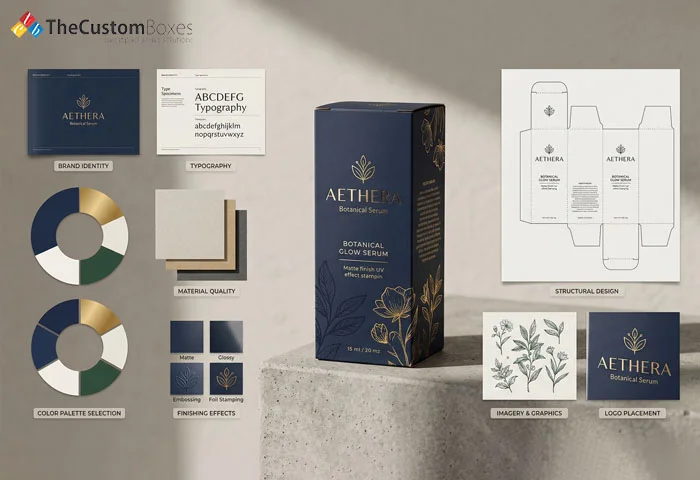
We give key elements of packaging design add shape, different sizes, and materials. It protects, or colours and graphics attract the user and show the brand. Labels and text give information such as ingredients and expiry dates. Functionality makes package easy to open, use, and store well.
- Structure And Shape
The structure and unique shape of packaging are very great. They are safe items and make it easy to store. Strong shapes prevent damage during transport. The shape makes product stand out on showcase. Unique designs attract users and show the brand’s style perfectly.
- Colour And Typography
Our colour can show the product brand personality. Our bright colours catch the eye, while soft colours offer a calm feel. Typography is the style of text, such as brand names and ingredients. Clear, readable fonts make information comfortable to understand. Together, make packaging communicate the brand and help users choose products.
- Graphics And Imagery
Graphics and imagery are best in packaging design. Pictures and icons show what items are and how to use them. Attractive images catch customers’ eyes. It makes items look appealing. Graphics can communicate brand style or values. Our clear and relevant imagery helps users understand the product fast. Good use of graphics makes packaging engaging and easier to recognise on the showcase.
-
Labelling And Information Placement
Labelling or information placement is important for packaging. Our labels show the brand and ingredients. Clear placement makes it easy for users to read and understand. Important information is visible at a glance.
Functional Vs Visual Design
Packaging design has two main parts, like functional and visual. Functional design focuses on protecting items. Visual design focuses on how the package looks in terms of colours and images. It keeps safe and fresh while attracting users. A stronger balance between function and appearance.
Packaging Design For Different Industries
- Food And Beverage Packaging
Their packaging keeps things safe in boxes, jars, or bottles. It attracts packaging that helps users notice. Most packaging is Green-friendly or recyclable. It helps the environment while keeping food and drinks safe.
- Cosmetics And Personal Care
Cosmetics and personal care packaging are designed to look wow or protect product perfectly. It keeps creams, lotions, and perfumes safe from damage. Our clear labels show instructions. Our premium packaging helps brands boost sales.
- Retail And Ecommerce Packaging
Retail and ecommerce packaging is designed for presentation. Packaging protects items during shipping. Clear labels and branding make items easy to identify fast. For retail, attractive packaging helps products stand out on the showcase. For sturdy and protective packaging ensures items comes safely to users’ doors.
- Electronics And Fragile Goods
Packaging for electronics and fragile goods focuses on great safety. Boxes, foam inserts, bubble wrap, and padding are famous. It keeps items safe from shocks, drops during transport. Labels show how to handle items carefully.
Packaging Regulations And Standards In The UK
The UK has rules for packaging to keep items safe and legal. Packaging shows expiry dates for food or medicines. Safety standards apply to chemicals, electronics, or fragile things. Eco-friendly rules encourage using durable materials.
Our UK packaging compliance means following laws. Also, rules for safe and legal packaging. Labels show items name or expiry date. Packaging safe items or green-friendly requirements encourage using strong materials. It helps businesses sell items legally in the UK.
Sustainability In Packaging
Sustainability in packaging means using recycled materials. Also, brands use paper and cardboard materials. This packaging helps users make greener choices. It supports a cleaner, healthier planet for the future.
Minimal and eco-conscious packaging focuses on durability. Green-conscious packaging safe environment while keeping product safe. It helps brands and users make responsible choices for a cleaner planet.
Current Packaging Trends In The UK
Our current packaging trends in the UK focus on many advantages. Companies use reusable materials. Minimalist designs are very fantastic.
- Sustainable And Eco-Friendly Packaging Growth
It's safe items while supporting greener choices. This trend helps companies and users make a positive great impact.
- Minimalist And Clean Packaging Design
Minimalist clear packaging uses ordinary shapes, colours, and text. This makes item easy to recognise and use. Minimal designs often look premium.
- Smart Packaging And Qr Codes
We offer smart packaging that uses technology to improve product experience. QR codes let users scan for information and promotions. Some packages show track delivery. This packaging protects items and adds convenience. It helps brands connect with users and makes shopping more informative.
- Custom And Personalised Packaging
It may add names or unique shapes. It makes items feel memorable. Personalised packaging strengthens brand or improves users experience. It adds value while still protecting items.
- Rise Of Ecommerce-Ready Packaging
Ecommerce-ready packaging is designed for safe delivery. Boxes, padded envelopes safe products during shipping. With online shopping, e-commerce packaging keeps items looks professional. Also, improves the user's delivery experience.
Future Of Packaging
The future of packaging focuses on innovation or technology. Smart packaging with QR codes and freshness indicators will grow. Packaging will balance safety, style, and environmental responsibility to meet users and market needs.
- Innovation In Materials And Technology
Innovation in packaging uses new materials and technology. Biodegradable plastics, plant-based materials are very popular. Smart packaging adds tracking aspects. These innovations make safe products, improve users' experience. Technology makes packaging more convenient and green-friendly.
- Circular Economy And Reusable Packaging
Circular economy and reusable packaging focus on reducing waste. Products use materials which may be recycled or returned. Refillable bottles, jars, and boxes are common. This approach saves resources and a secure environment.
- Automation And Digital Printing Trends
Our automation and digital printing are changing packaging. Machines speed up production, or digital printing allows customised designs, tiny batch runs. This makes packaging flexible and more precise. Our brands may create personalised packages while saving time, costs in manufacturing.
Conclusion
Good packaging design includes all these elements to protect the product, appeal to users, and build brand recognition. Durable packaging keeps items safe while helping create a healthier planet. Packaging is easy to handle, lighter in weight, and stackable.Well-structured packaging ensures items come in good condition. It builds trust and keeps users happy. Most products use green-friendly materials to save the Earth.
Proper labelling helps with safety and legal requirements. It makes the product look organised or professional. It allows users to trust items and make quick buying decisions. The right structure and shape combine safety, appearance, and help users notice, use, and trust items. The Custom Boxes help build trust and encourage people to buy daily.
Frequently Asked Questions:
What Are The 5 P's Of Packaging?
The 5 P's are Product, Price, Promotion, Place, and People. They ensure packaging protects the item, fits the cost, and attracts the right UK customers.
What Are The 4 Roles Of Packaging?
Packaging protects products from damage and preserves them for longer shelf life. It also promotes the brand and provides key information to help customers buy.
What Is The 5 Importance Of Packaging?
Packaging protects goods from damage and preserves freshness for longer use. It identifies the brand, provides safety info, and makes transport much easier.
What Are The Different Types Of Packaging Design?
Packaging design includes structural design for shape and graphic design for visual style. It also focuses on shelf-ready design and eco-friendly, sustainable materials.
What Are Some Package Design Trends?
Sustainable packaging is the top trend, with brands using mushroom or seaweed materials. Minimalist styles with bold, clear fonts and smart QR codes are also very popular.
What Are The 7 Types Of Packaging?
The seven types include paper, plastic, metal, and glass containers. Brands also use flexible pouches, cardboard boxes, and sustainable materials like cornstarch for shipping.
What Are The Three Methods Of Packaging?
The three main methods are manual packing by hand and semi-automatic machine assistance. Fully automatic systems use high-speed robots to pack large volumes of goods quickly.
Most popular post


Premier American Manufacturer of Packaging and Custom Boxes
Experience the ease of creating and ordering custom boxes and affordable packaging online with the Custom Boxes. Contact us today to discover how we can turn your packaging vision into a reality.

Payment & Security
 No Hidden Charges
 Money Back Guarantee
thecustomboxes.co.uk online guarantee the privacy of all the customers and never share their personal information with third parties. For more details read our Privacy Policy.





you might also like